

How to Keep Everyone Happy on Group Trips
29 August 2026
Table of Contents
- Set Clear Expectations Before You Go
- Tips for Planning Large Family Reunions
- How to Create a Group Holiday Itinerary
- Managing Group Holiday Budgets
- Choose Accommodation That Works for Everyone
- Handle Food and Dining Without Conflict
- Keep Everyone Happy During the Trip
- Conclusion
Last Updated: August 29, 2026
Set Clear Expectations Before You Go
The secret to keeping everyone happy on group trips is better communication. Groups fail when expectations collide, one person imagines lazy days by the fire; another wants daily activities. Someone expects gourmet meals; another wants takeaway pizza. These gaps fester during the trip.
Start conversations months ahead. Ask specific questions: What's the budget per person? How many activities versus downtime? Who handles meals? What's the noise tolerance after 10pm? Write these answers down and share them with the group. This prevents the resentment that kills group trips.
Be explicit about accommodation layout too. Groups staying somewhere like Spring Barn at Bolberry Court in South Devon benefit from knowing the space offers separate bedrooms and communal areas, details that matter when hosting up to 10 people. Transparency about what's actually available prevents the shock of arriving somewhere that feels smaller or less comfortable than expected.
Tips for Planning Large Family Reunions
Planning a family reunion across multiple generations requires managing different mobility levels, dietary preferences, energy levels, and social needs. A two-year-old and an eighty-year-old experience a holiday completely differently.
Start by mapping who's coming and what they actually need. Ask rather than assume. Some older relatives prefer quieter mornings; young children need structured activities or they become difficult. Teenagers want independence; parents want to relax without constant supervision.
The best reunions build in flexibility. Have a loose schedule with optional activities rather than mandatory group events. This lets people choose participation levels. Some days everyone gathers for a meal; other days, smaller groups do their own thing.
Create Space for Different Age Groups
Multigenerational groups need physical and social separation at times. Children need space to play without disturbing sleeping relatives. Teenagers need somewhere to gather without feeling watched. Older family members need quiet rest periods.
Spring Barn at Bolberry Court near Salcombe in South Devon works well because it offers enough space for people to spread out. The fully enclosed garden lets children play safely without constant adult supervision. Separate bedrooms mean nobody's sleeping above someone else's head. When people have their own space, they're more relaxed and more willing to gather together later.
Plan at least one activity that appeals to each age group. Young kids might enjoy a beach trip while teenagers explore local trails and adults have a leisurely lunch. Everyone does their own thing, then reunites for dinner.
Schedule Multigenerational Activities
Some moments should bring everyone together. These work best when they're low-pressure and don't demand physical stamina, a shared meal, a walk to a local viewpoint, a board game evening. These create memories without exhausting anyone.
Time these activities strategically. Midweek is better than weekends when people are fresh. Choose activities that don't require advance planning or special equipment. Let conversations happen naturally rather than forcing structured fun.

How to Create a Group Holiday Itinerary
A group itinerary isn't a minute-by-minute schedule. It's a framework that prevents decision fatigue and conflict. When nobody knows what's happening, people get frustrated. When everything's locked in, people feel trapped.
Build a loose structure: breakfast time, activity windows, meal times, evening options. Within those windows, people can choose.
Balance Structure with Flexibility
The best itineraries have about 40% scheduled and 60% flexible (peer-reviewed research). Scheduled elements are the anchors: breakfast at 8am, dinner at 7pm, one group activity daily. Everything else is optional or decided day-by-day.
Weather changes plans. People get tired or want to rest. A rigid schedule creates frustration when reality doesn't match. Flexibility prevents that and lets the group respond to what's actually working.
Assign someone to coordinate daily decisions, but keep decisions collaborative. A quick group chat each morning asking "What does everyone want to do?" takes five minutes and prevents resentment.
Build in Downtime and Solo Activities
The worst group trips have activity scheduled from dawn to dusk. People get exhausted, irritable, and resentful.
Schedule at least two hours daily with no group plans (apa.org). This lets people nap, read, take a walk alone, or sit quietly. Introverts especially need this. Encourage solo activities too. If someone wants to walk the South West Coast Path near Bolberry, they should go. People return from solo time happier and more present with the group.
Managing Group Holiday Budgets
Money conversations are awkward but essential. Groups split up over unclear costs. Establish a budget framework before booking. Discuss what's shared and what's individual. Accommodation is usually shared. Meals can be shared or individual. Activities might be both.
Use a shared spreadsheet or app to track expenses. This prevents the awkward "Who owes what?" conversation at the end. When everyone sees costs in real time, they're less likely to overspend or feel surprised.
Set a contingency fund. Unexpected costs always arise. Agree upfront that these come from a shared pool.
Budget Element | Shared or Individual | Notes |
|---|---|---|
Accommodation | Shared | Divide equally by person or by room size |
Groceries | Shared | Rotate who shops; track receipts |
Dining out | Individual | Unless pre-planned group meals |
Activities | Individual | Unless pre-booked as group |
Utilities | Shared | Included in accommodation cost |
Contingency | Shared | 10% of total budget |
Choose Accommodation That Works for Everyone
Accommodation makes or breaks a group trip. Too small and people feel cramped. Poor amenities and everyone's frustrated. Wrong location and logistics become a nightmare.
Spring Barn at Bolberry Court in South Devon accommodates up to 10 people with separate bedrooms, meaning privacy isn't sacrificed. The fully enclosed garden provides a secure outdoor space. Modern amenities like underfloor heating and a log burner ensure comfort in any season. Location near the South West Coast Path means coastal walks are minutes away.
Ensure Enough Space and Private Rooms
Cramped accommodation creates tension quickly. People need privacy to decompress and quiet spaces to rest.
When evaluating accommodation, ask: How many bedrooms? What are the bed configurations? Is there a separate living area? Can people retreat without feeling antisocial? Are bathrooms adequate for the group size?
For a group of 10, you want at least 5 bedrooms (visitengland.com). Couples can share; families with young children need their own room; single adults or friends can pair up. Space matters beyond bedrooms. A large kitchen lets multiple people prepare food without chaos. A spacious lounge means people can gather or spread out. Outdoor space, especially a secure garden, gives children room to play and adults a place to relax.
Look for Essential Amenities and Safety Features
Amenities matter enormously in group settings. A dishwasher saves hours of cleanup conflict. Adequate heating prevents complaints. Reliable internet means people can check in with the outside world or entertain themselves if needed.
For groups with children, safety features are non-negotiable. A fully enclosed garden means young children can play outside without constant adult supervision. Good lighting throughout prevents accidents. Comfortable beds and proper bedding matter, people who sleep poorly become irritable.
Check what's actually provided. Don't assume. Properties vary wildly in what's included. Ask before booking.
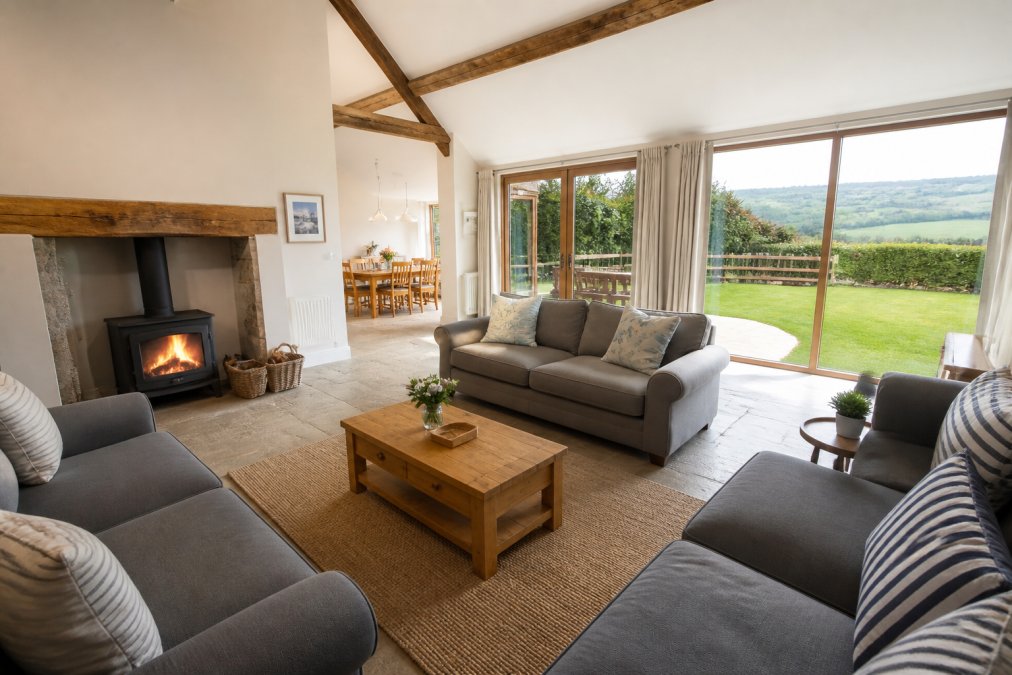
Spring Barn at Bolberry Court includes essential features that group trips require: enough space, proper heating, a secure garden, and proximity to local attractions.
Handle Food and Dining Without Conflict
Food creates more conflict than almost anything else on group trips. People have different diets, preferences, budgets, and opinions about meal timing.
Establish food decisions before arrival. Will the group cook together or separately? Will you do group meals or individual ones? Who buys groceries?
Assign meal responsibilities. Rather than everyone cooking together, rotate who prepares dinner. One couple handles Monday, another handles Tuesday. This shares the burden and gives people autonomy. For breakfasts and lunches, keep it simple. Stock the kitchen with easy options: bread, eggs, cheese, fruit. Let people fend for themselves.
If eating out, book ahead. Don't show up with 10 people expecting a table. Agree on restaurants beforehand so people with dietary restrictions know they can eat there. Split the bill clearly.
Keep Everyone Happy During the Trip
The best planning prevents problems, but conflicts still arise. How you handle them determines whether the group stays cohesive.
Manage Group Dynamics and Tensions
Watch for early warning signs. Someone's withdrawn. A couple seems tense. A parent's frustrated. Address issues early and privately. If someone seems unhappy, ask them directly: "Everything okay? Anything we can adjust?" Most problems are small and fixable.
Set a tone of flexibility. If someone wants to skip an activity, that's fine. If someone wants to do something solo, support that. Rigid insistence on group cohesion breeds resentment. Flexibility breeds goodwill.
Manage noise and sleep carefully. Agree on quiet hours and respect them. Nothing damages group harmony faster than someone being woken repeatedly by noise they can't control.
Resolve Issues Quickly and Fairly
When conflict emerges, address it directly but kindly. Don't let issues fester. If someone's upset about costs, check the spreadsheet and clarify. If someone's annoyed about meal timing, adjust it. If someone feels excluded, invite them specifically to activities they'd enjoy.
For bigger conflicts, use a neutral person to mediate. Remember that people on holiday are often more tired and emotionally fragile than normal. Small irritations feel huge. Be patient and kind.
Conclusion
Group trips succeed when expectations are clear, space is adequate, and communication happens early and often. The difference between a trip people remember fondly and one they'd rather forget often comes down to whether someone addressed potential problems before they became actual problems.
When choosing accommodation, prioritise space, amenities, and location. Spring Barn at Bolberry Court in Bolberry, Nr Salcombe, South Devon, ticks these boxes: separate bedrooms for privacy, fully enclosed garden for safety, underfloor heating and log burner for comfort, and proximity to the South West Coast Path for activities.
Visit the booking page at Spring Barn at Bolberry Court to check availability and discuss your group's specific needs. Contact the team directly if you have questions about whether the property suits your group size or requirements.
Frequently Asked Questions
How do you manage group dynamics on a holiday?
Set expectations clearly before departure about daily routines, shared costs, and decision-making. Assign a point person for resolving disputes, build in solo time so people can decompress, and schedule activities everyone genuinely wants to do rather than forcing participation. When tensions rise, address them privately and calmly rather than in front of the group. Regular check-ins help catch small frustrations before they become major problems.
What should you look for in accommodation for a group of 10?
Ensure each person or couple has their own bedroom to maintain privacy and reduce friction. Check that common areas like the kitchen and living room are spacious enough for everyone to gather without feeling cramped. Verify the property has adequate bathrooms, reliable heating and hot water, and good internet connectivity. For families with children, confirm safety features like secure gardens and appropriate furnishings. Spring Barn at Bolberry Court offers spacious accommodation for groups, with fully enclosed gardens and modern comforts designed for family comfort.
How do you balance group activities and downtime on holiday?
Plan 60–70% structured activities and leave 30–40% unscheduled. This gives flexibility for people who want to rest, pursue individual interests, or socialise in smaller groups. Schedule one or two group activities per day rather than back-to-back plans. Allow people to opt out of activities without guilt, and offer alternatives for different energy levels and interests. Downtime prevents burnout and reduces conflict that comes from exhaustion.
How to handle food and dining arrangements for large groups?
Decide upfront whether you're cooking together, taking turns, ordering in, or eating out. If self-catering, assign meal-planning duties and shop before arrival to avoid daily stress. Accommodate dietary requirements and preferences in advance. Consider a group meal fund so costs are shared fairly. For some meals, cooking together builds connection; for others, eating out removes the burden. Clear communication prevents resentment around food prep and costs.