
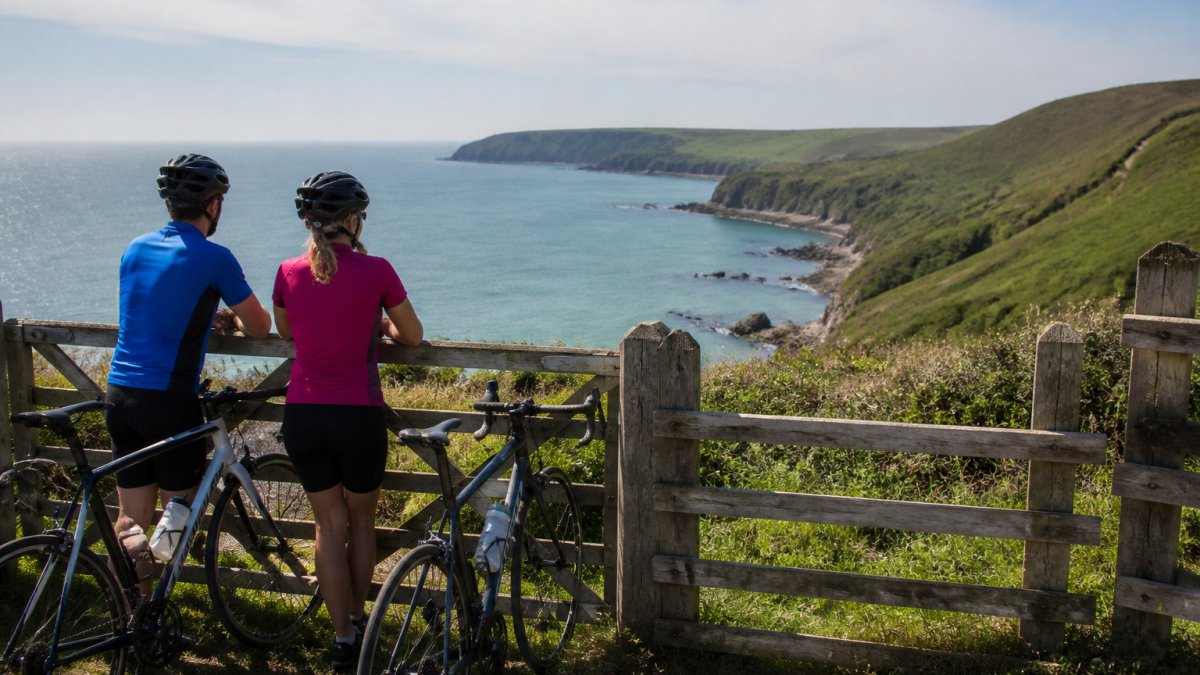
How to Choose the Best Season for Devon Cycling Routes
03 November 2026
Last Updated: 2 November 2026
Quick Summary
Spring, from March to May, is generally the best time for devon cycling routes, offering quieter roads, fresh hedgerows and mild temperatures. Early summer and autumn are also comfortable, while summer brings heavier traffic and winter means wet ground and short daylight hours.
- Spring offers quieter roads, fresh hedgerows and mild temperatures, the best all-round window for coastal riding.
- Early summer brings long evenings, but plan morning rides to avoid the afternoon heat on the climbs.
- Late summer has the warmest weather but peak holiday traffic, so start early or ride in the evening.
- Autumn brings clearer skies, softer light and fewer visitors, so pack a light waterproof.
- Winter has the quietest lanes, but wet ground and short days call for shorter, well-planned loops.
Table of Contents
- When Devon Cycling Routes Are at Their Best
- Spring and Early Summer: Coastal Routes and Quieter Lanes
- Cycling Holidays in Devon: Planning Around Weather and Terrain
- Hyper-Local Micro-Routes Around Bolberry and Salcombe
- Booking Your Base for a Devon Cycling Trip at Spring Barn
- Frequently Asked Questions
When Devon Cycling Routes Are at Their Best
Choosing the best season for Devon cycling routes comes down to three things: temperature, rainfall, and how busy the lanes get. Spring and early autumn usually give the most comfortable riding, while summer brings the longest days but also the heaviest traffic on the narrow roads. The right choice depends on who is riding and what they want from the trip.
Devon's terrain is the first thing to plan around. The county has steep hills, sunken lanes, and long coastal climbs, so a route that feels easy in April can feel much harder in July when the heat builds. Riders who are new to hills should look for shorter loops and check the elevation before they set out.
Here is a quick way to think about the year:
- Spring (March to May): Quieter roads, fresh hedgerows, and mild temperatures
- Early summer (June): Long evenings and good coastal light, though busier roads
- Late summer (July to August): Warmest weather and peak holiday traffic
- Autumn (September to October): Clearer skies, softer light, and fewer visitors
- Winter (November to February): Quietest lanes, but wet ground and short daylight hours
Spring and Early Summer: Coastal Routes and Quieter Lanes
Spring is often a good time for coastal riding in South Devon, when lanes can be calmer before the summer rush.

A converted railway path is often a good starting point for families, as these routes avoid steep road gradients. Devon's converted railway paths, such as the Drake's Trail between Tavistock and Plymouth and the Tarka Trail in North Devon, are traffic-free options that can suit families for short out-and-back sections.
For riders staying around Salcombe and Bolberry, family options are generally shorter. Keep bikes on the lanes and bridleways rather than the South West Coast Path, which is for walking.
A few practical rules make the day work:
- Choose a there-and-back route on a railway path if you want zero traffic, or a short lane loop if you want variety
- Keep the first ride to about two hours of actual pedalling, with a stop planned halfway
- Check the surface after rain, railway paths drain well, but unsurfaced bridleways near the coast turn muddy
- Carry a basic repair kit, water and layers, as coastal weather changes quickly
- Make sure helmets fit before you leave, and fit a bell so children can warn walkers on shared paths
Watch out: narrow lanes can carry farm and holiday traffic in summer, so ride single file on blind bends and consider avoiding the busiest weeks if you have nervous riders.
Cycling Holidays in Devon: Planning Around Weather and Terrain
A good cycling holiday in Devon starts with a flexible plan. Check the forecast each morning and be ready to swap a coastal ride for a sheltered inland route if the wind picks up. Keep the first day easy so everyone can get used to the hills.
Bike storage matters too. Make sure your accommodation has a secure, dry place to keep bikes overnight, and pack a basic cleaning kit to deal with mud after wet rides.
Hyper-Local Micro-Routes Around Bolberry and Salcombe
Many Devon cycling guides stay at county level. For guests staying at Spring Barn at Bolberry Court, the useful question is often 'what can I ride this afternoon from the door?' The short loops below can be useful starting points.
The Bolberry Down viewpoint area. Bolberry Down is located near Bolberry and is worth exploring on foot. The South West Coast Path is for walkers, so keep bikes on the lanes and bridleways.
A few local realities shape when to ride these:
- Spring (March to May) gives the freshest hedgerows, mild temperatures and quiet lanes, the best all-round window for these micro-routes
- Early summer brings long evenings and good coastal light, but plan morning rides before the afternoon heat builds on the climbs
- Late summer is the busiest period, with holiday traffic on the narrow lanes; start early or ride in the evening
- Autumn offers clearer views across the water and fewer visitors, though you should pack a light waterproof
- Winter keeps the lanes quietest, but wet ground and short daylight hours mean shorter, well-planned loops
Watch out: after heavy rain the unsurfaced sections and bridleways near the coast become muddy and slippery, and the lanes can carry mud from farm vehicles, check your brakes and allow extra stopping distance. Bike storage matters too, so choose accommodation with a secure, dry place to keep bikes overnight. Spring Barn at Bolberry Court sleeps up to 10 and offers an electric vehicle charging station on site. You can check availability and dates to plan your stay around the season that suits your group, and contact us directly for a current quote based on your dates and group size.
Booking Your Base for a Devon Cycling Trip at Spring Barn
Spring Barn at Bolberry Court is a strong choice for a group cycling trip. The property sleeps up to 10 people, has a fully enclosed garden, and offers a secure base for families and friends. Guests can charge electric vehicles on site, which helps on longer trips.
You can check availability and dates to plan your stay around the season that suits your group best. For a deeper look at seasonal coastal options, read our guide to coastal hiking timing. If you are weighing up a family base, see whether a luxury countryside retreat suits your group, and if you are choosing a coastal route, find out if the South Hams Way suits beginners.
Pricing depends on dates, group size, and the length of your stay, so please contact us directly or visit the booking page for current prices. Our team is happy to help you choose the right season and the right base for your Devon cycling holiday.
Frequently Asked Questions
What is the best time of year to cycle in South Devon?
Late spring through early autumn gives the most reliable riding in South Devon. May and June bring longer daylight and quieter lanes before the summer peak, while September often combines settled weather with fewer visitors on coastal and estuary routes. Winter months are mild but wetter, and some off-road tracks become muddy, so pack waterproofs and check conditions before setting out.
Are Devon cycling routes suitable for families?
Many Devon routes suit families, particularly traffic-free railway paths and gentle estuary trails with minimal gradient. Choose flatter stretches for younger riders and hillier coastal sections for older children and confident adults. Plan shorter loops, allow time for breaks, and check each route's surface and gradient in advance to match the group's ability.
Is South Devon hilly for cycling?
South Devon is undulating rather than mountainous. Expect frequent short climbs on rural lanes and steeper gradients on some coastal sections, with noticeable elevation gain on longer circular routes. Traffic-free paths and estuary trails are generally gentler. Choosing a route by its total elevation gain, not just its distance, gives a more accurate picture of the effort involved.
Where can I find cycle-friendly accommodation near Salcombe?
Spring Barn at Bolberry Court is a self-catering base in the hamlet of Bolberry, close to Salcombe and the South West Coast Path. It sleeps up to 10 people and offers a fully enclosed garden, an electric vehicle charging point and a log burner. For current availability and prices, visit the booking page or contact the team directly.
