
How Long to Walk the South Hams Way: A 2026 Guide
20 October 2026
Table of Contents
- How Long Does the South Hams Way Take to Walk?
- Planning Your South Hams Way Itinerary
- Understanding South Hams Hiking Difficulty
- Best Places to Stay Near Hope Cove
- Preparing for Your South Hams Way Adventure
- Frequently Asked Questions
Last Updated: 19 October 2026
How Long Does the South Hams Way Take to Walk?
The South Hams Way walk is one of Devon's most rewarding coastal routes, but understanding how long it takes to complete is essential for planning your trip. Whether you're considering a single day walk or a multi-day adventure, the duration depends on several factors: your fitness level, the weather, how many stops you make, and which sections of the route you choose to explore.
At Spring Barn at Bolberry Court, we understand that proper timing transforms a good walk into a great one. The right accommodation, close to the route and offering genuine comfort after a day outdoors, makes all the difference.
Total Distance and Duration
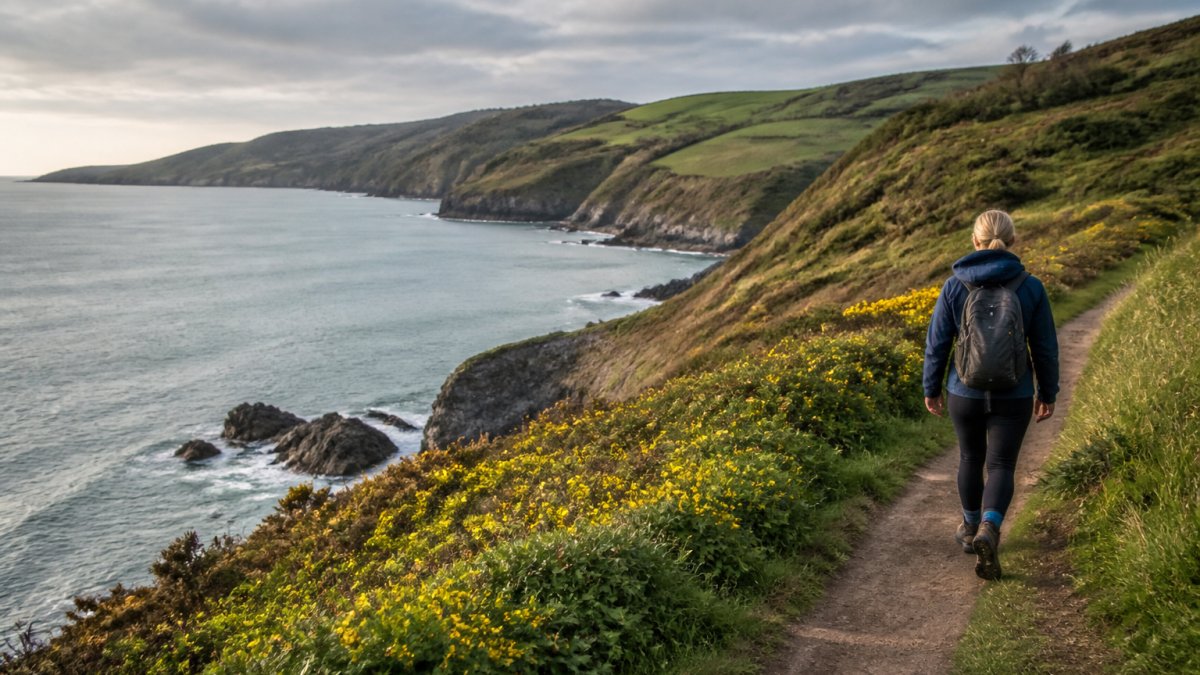
The full South Hams Way walk covers approximately 34 miles (55 kilometres) of coastal and countryside terrain. Most walkers complete the entire route in four to five days, walking between 7 and 9 miles per day. This pace allows time to enjoy the views, take photographs, and rest without rushing.
If you prefer a more leisurely approach, spreading the walk across six days gives you shorter daily distances of around 5 to 6 miles. This rhythm suits families with younger children, older walkers, or anyone wanting to savour the landscape without fatigue.
For fit, experienced walkers with minimal stops, the route can be completed in three days. However, this approach means covering 11+ miles daily and sacrificing much of the experience that makes the South Hams Way special.
Breaking It Into Manageable Stages
The South Hams Way naturally divides into five main stages, each designed to be walked as a separate day or combined with others depending on your fitness and schedule.
Stage 1: Ivybridge to Aveton Gifford (approximately 7 miles) This opening section introduces you to the route's character. You'll pass through woodland and farmland before reaching the attractive village of Aveton Gifford.
Stage 2: Aveton Gifford to Salcombe (approximately 8 miles) This is the longest stage but rewards effort with stunning coastal views. You'll descend into several valleys and climb back out, which takes time but creates memorable scenery.
Stage 3: Salcombe to Hope Cove (approximately 6 miles) A shorter, more manageable day that passes through charming coastal villages. Hope Cove itself is picturesque, making it an ideal stopping point. The terrain here is relatively gentle compared to Stage 2.
Stage 4: Hope Cove to Thurlestone (approximately 6 miles) Another moderate day featuring coastal paths and beach walks. Thurlestone village offers good facilities and is a natural resting point.
Stage 5: Thurlestone to Ivybridge (approximately 7 miles) The final stage loops back inland, passing through countryside and completing the circuit. By this point, most walkers feel a satisfying sense of accomplishment.
Planning Your South Hams Way Itinerary
Creating the right itinerary depends on your available time, fitness level, and what you want from the experience. Many walkers use a base-and-day-walks approach rather than moving accommodation each night.
Multi-Day Walking Options
The Five-Day Classic This is the most popular approach. You walk one stage per day, with a rest day built in. Many walkers take their rest day midway through (often in Salcombe), which breaks up the journey and allows tired legs to recover.
Walking five days across a week means you have flexibility. Poor weather? Take an extra rest day. Feeling strong? Add a bonus walk or explore a village more thoroughly.
The Weekend Warrior Route If you only have three days, focus on Stages 2, 3, and 4. This 20-mile section captures the best coastal scenery and avoids the longer inland sections. You'll experience the essence of the South Hams Way without committing to the full circuit.
The Extended Exploration Spreading the walk across six or seven days suits families and those seeking a slower pace. This approach means 5-6 miles daily, manageable for most people, with energy left for exploring villages or enjoying a longer lunch break.
Day Walks and Partial Routes
Not everyone wants to commit to a multi-day walk. The South Hams Way works beautifully as a series of day walks:
- Salcombe to Hope Cove and back (12 miles return): A classic half-day or full-day option with stunning coastal views
- Hope Cove circular walk (6-7 miles): A perfect introduction to the area, combining coastal paths with village exploration
- Thurlestone to Salcombe (8 miles): One-way walk requiring transport at one end, but offering excellent scenery
- Aveton Gifford to Salcombe (8 miles): The most dramatic section, ideal for experienced day walkers
Day walks offer flexibility. You can start early, return by evening, and enjoy a proper supper without the demands of a multi-day trek.
Understanding South Hams Hiking Difficulty
The South Hams Way is classified as a moderate walk. It's not a beginner's route, but it's equally not a challenge for experienced fell walkers. Most people in reasonable fitness can complete it.
Terrain Types and Elevation
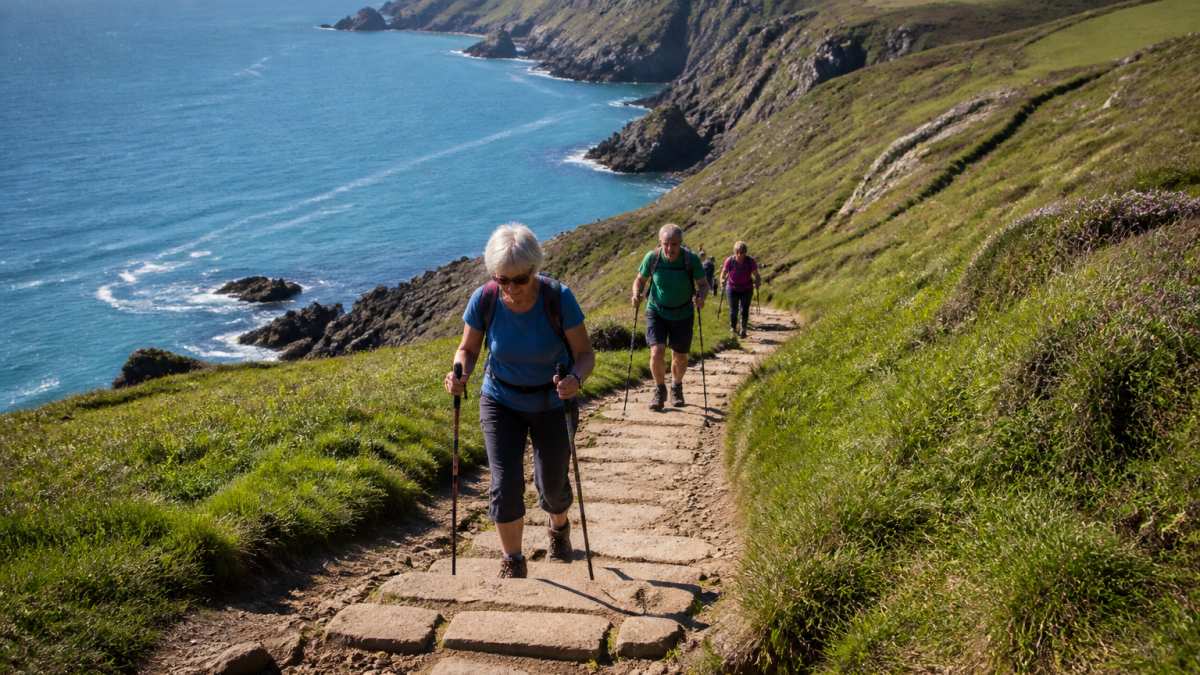
The route combines several terrain types. Coastal paths feature stone steps, grassy clifftop sections, and occasional steep descents into valleys. Inland sections pass through farmland, woodland, and country lanes. The constant elevation changes, climbing out of valleys, descending to the coast, create cumulative fatigue that matters more than individual steep sections.
Total elevation gain across the full route is approximately 1,500 metres. That's significant but spread across 34 miles. On a five-day walk, you're climbing roughly 300 metres per day, manageable for most walkers.
The most demanding stages are Stage 2 (Aveton Gifford to Salcombe) and parts of Stage 1. These feature the steepest climbs and most sustained elevation changes. Stages 3 and 4 are gentler, making them good recovery days.
Fitness Requirements and Pacing
You don't need to be a marathon runner to complete the South Hams Way. Most people who walk regularly, say, 5+ miles weekly, will manage comfortably. The key is pacing yourself appropriately.
Walking speed varies. On flat terrain, most people walk 3 miles per hour. On hilly terrain with stops, expect 2 miles per hour. The South Hams Way averages around 2-2.5 miles per hour when you factor in elevation changes and rest breaks.
A practical approach: if you can walk 5 miles on flat ground without discomfort, you can manage the South Hams Way at a relaxed pace. If you regularly walk 8+ miles, you'll find it straightforward. Fitness matters less than consistency; regular walking is better preparation than occasional long walks.
Best Places to Stay Near Hope Cove
Hope Cove sits roughly halfway along the South Hams Way, making it an ideal base for exploring the route. The village itself offers charm, good facilities, and easy access to both directions of the walk.
Why Accommodation Matters for Multi-Day Walks
Where you sleep directly affects how much you enjoy walking. Poor accommodation ruins good days outdoors. Conversely, comfortable lodging transforms a walk into a genuine holiday.
After a demanding day on the trail, you need:
- A comfortable bed that actually allows proper sleep
- Hot water and decent shower facilities to ease tired muscles
- A well-equipped kitchen or nearby restaurant for proper meals
- Peaceful surroundings to help you recover
- Space to dry wet gear without it dominating the accommodation
Base-and-day-walks accommodation near Hope Cove means you unpack once, explore different sections daily, and return to familiar comfort each evening. You avoid the logistics of moving accommodation, packing and unpacking, and finding new places each night.
Choosing a Base for Your Walking Holiday
Hope Cove itself offers several small hotels and guesthouses, but they fill quickly during peak season. The surrounding villages of Salcombe, Thurlestone, and Bolberry offer more options.
Spring Barn at Bolberry Court, located in the peaceful hamlet of Bolberry just a short distance from Hope Cove, provides an ideal base for South Hams Way walkers. The luxury barn conversion accommodates groups of up to 10 people, making it perfect for families or friends exploring the route together.
What makes Spring Barn special for walking holidays:
- Fully enclosed garden where muddy boots and wet gear can be managed safely
- Underfloor heating and log burner for genuine comfort after cold, damp days outdoors
- Fully equipped kitchen for preparing proper meals and packed lunches
- Ample space so walkers aren't cramped after physical exertion
- Direct access to the South West Coast Path and local walking routes
- EV charging facilities if you're driving from further afield
- Close proximity to both Hope Cove and the broader South Hams Way
The location near Bolberry Down offers immediate access to walking without the need to drive to trailheads. You can step out and start exploring within minutes.
Preparing for Your South Hams Way Adventure
Proper preparation transforms the walk from something you endure into something you genuinely enjoy. Most problems arise from inadequate planning rather than lack of fitness.
Essential Gear and Navigation
Navigation on the South Hams Way is straightforward. The route is well-marked with waymarkers, and most walkers use either a guidebook or downloaded maps on their phone. Ordnance Survey maps (1:50,000 scale) cover the area clearly.
Essential gear includes:
- Waterproof jacket and trousers: The South West gets rain regularly. Being wet ruins walks quickly
- Sturdy walking boots: Trainers don't provide enough ankle support on uneven terrain
- Layered clothing: You'll warm up quickly once walking, so layers let you adjust
- Rucksack with rain cover: A 20-25 litre pack suits day walks; 40+ litres for multi-day trips
- Water bottle or hydration pack: Dehydration causes fatigue and poor decision-making
- Snacks and packed lunch: Trail food prevents energy crashes
- Sun protection: Even on cool days, UV exposure adds up
- First aid kit: Blister treatment matters more than anything else
Navigation tools matter less than you'd think. Most walkers manage with a printed guidebook and basic phone maps. The route is well-established, and getting lost is genuinely difficult.
Weather and Best Seasons
The South Hams Way can be walked year-round, but seasons significantly affect the experience.
Spring (March-May) New growth makes the landscape vibrant. Weather is unpredictable; you might get warm sunshine or cold rain. Accommodation is easier to find than summer, and crowds are manageable.
Summer (June-August) The most popular season, with generally better weather. However, July and August bring crowds, higher accommodation prices, and more competition for parking. Early summer (June) offers better weather than spring with fewer people.
Autumn (September-November) Arguably the best season. Weather is often stable, the landscape shows autumn colours, and summer crowds have gone. September is particularly good, warm enough to be comfortable, but less busy than August.
Winter (December-February) The quietest season with the fewest walkers. Days are short, limiting walking time. Weather can be severe, and some paths become muddy and difficult.
Most walkers choose summer or early autumn. Spring works well if you're flexible about weather. Winter suits experienced walkers seeking solitude.
*The South Hams Way walk rewards proper planning. Spring Barn at Bolberry Court provides the comfort and location that makes multi-day walking sustainable, a place to recover properly each evening so you can enjoy the walk fully the next day.
Frequently Asked Questions
How many miles is the South Hams Way?
The South Hams Way is approximately 34 miles in total length. Most walkers split this into sections across multiple days, though the exact route distance can vary depending on which variant or local detours you take. Breaking it into 2-4 day stages is typical for most fitness levels.
Can you walk the South Hams Way in stages?
Yes, the South Hams Way is ideal for staged walking. Most people complete it over 2-4 days, with accommodation stops in between. You can also do shorter day walks of 8-12 miles if you prefer a single-day outing. Planning your itinerary with overnight stays near Hope Cove or other local villages gives you flexibility and makes the experience more enjoyable.
What is the best time of year to walk the South Hams Way?
Late spring through early autumn (May to September) offers the most reliable weather, though the route is walkable year-round. Summer brings longer daylight hours and warmer temperatures, whilst spring and autumn provide quieter trails and fewer crowds. Winter walks are possible but require waterproof gear and shorter daylight planning.
Do I need to book accommodation in advance for the South Hams Way?
Booking ahead is strongly recommended, especially during peak season (July-August) and school holidays. A spacious holiday home that sleeps groups of up to 10 people gives families and friends a comfortable base for multi-day walking. Booking directly ensures you have reliable facilities, proper kitchen facilities, and a secure garden if you're travelling with children or dogs.