
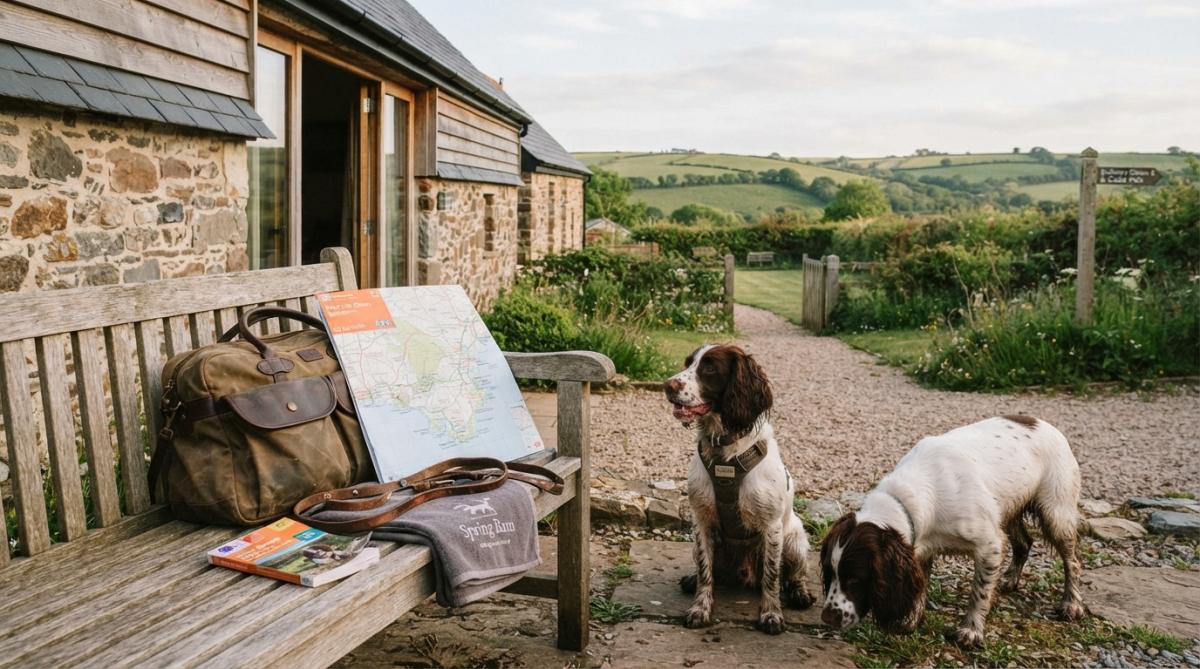
Tips for Travelling with Dogs in Devon: A Complete Guide
28 July 2026
Table of Contents
- Tips for Travelling with Dogs in Devon: Planning Your Trip
- Dog-Friendly Accommodation in Devon: Choosing the Right Base
- Bringing a Dog to Devon Checklist: Essential Packing and Preparation
- Devon Dog Walking Routes: Exploring Coastal Paths and National Parks
- Dog-Friendly Beaches in Devon: Rules, Restrictions and Best Spots
- Car Travel Tips for Dogs: Making the Journey Comfortable and Safe
- Dog-Friendly Attractions, Pubs and Dining in Devon
- Common Mistakes When Travelling with Dogs in Devon
Tips for Travelling with Dogs in Devon: A Complete Guide
Last Updated: July 28, 2026
Travelling with your dog to Devon offers unforgettable adventures, but success requires planning. Whether exploring the South West Coast Path, discovering dog-friendly beaches, or settling into a comfortable rural retreat, proper preparation makes the difference between a chaotic holiday and a genuinely enjoyable experience for both you and your pet.
Tips for Travelling with Dogs in Devon: Planning Your Trip
Devon has transformed significantly, with more accommodation, attractions, and outdoor spaces actively welcoming dogs than ever before. However, not all dog-friendly claims are equal; some properties are genuinely set up for canine guests, whilst others simply tolerate them.
Devon's geography works in your favour. The county stretches from Dartmoor moorland in the north to dramatic coastal cliffs in the south, meaning you're rarely more than 30 minutes from either woodland trails or beach access. The climate is mild year-round, though winter brings rain and muddy conditions requiring extra preparation. Spring and autumn offer the sweet spot: cooler temperatures that suit most dogs better than summer heat, fewer crowds, and fewer seasonal restrictions on where your dog can go.
A common mistake is booking accommodation first, then discovering inadequate dog facilities. Instead, identify your core activities, coastal walks, Dartmoor exploration, beach time, then find accommodation that genuinely supports those activities with secure outdoor space and proximity to your chosen routes.
Understanding Devon's Dog-Friendly Environment
Devon's dog-friendly reputation is well-earned, but it comes with regional variations and seasonal nuances. The North Devon coast tends to be more relaxed about dogs than South Devon resorts. Inland areas around Dartmoor have fewer restrictions entirely.
Many beaches operate seasonal restrictions between May and September, when dogs are banned during peak daylight hours to protect nesting birds and manage crowds. Early morning and evening access is typically permitted. Some quieter South Devon coves have minimal restrictions year-round.
Public rights of way across farmland and moorland generally allow dogs on leads, though some farmers request dogs be kept under control during lambing season (March to May). National Trust properties welcome dogs but ask owners to keep them on leads near livestock and in designated areas.
Seasonal Considerations and Restrictions
Spring (March to May) is the most restrictive season due to lambing. Focus on established walking routes and coastal areas rather than open moorland.
Summer (June to August) offers the best weather but the most restrictions. Beach bans are in full effect during daylight hours. Arrive at beaches before 10 AM or after 6 PM for vastly better access and fewer people. Woodland trails remain accessible and often feel quieter than beaches.
Autumn (September to October) is arguably the best season for travelling with dogs in Devon. Most beach restrictions lift by mid-September, weather remains mild, and crowds thin significantly.
Winter (November to February) brings rain and mud but also the fewest restrictions and smallest crowds. Prepare for wet conditions and ensure your accommodation has proper facilities for muddy paws.
Dog-Friendly Accommodation in Devon: Choosing the Right Base
Your accommodation choice determines how much you'll actually enjoy your holiday. A property that claims to be dog-friendly but lacks proper outdoor space, has thin walls, or provides no facilities for muddy paws will drain your energy before you've even started exploring.
The best dog-friendly properties share specific characteristics: fully enclosed gardens (not just "fenced"), easy access to walks directly from the property, facilities for cleaning muddy paws, and owners who genuinely understand what dog owners need.
What to Look for in Pet-Friendly Properties
Ask specific questions before booking. Does the property have a fully enclosed garden with good fencing condition? Can dogs access all rooms or are they restricted to certain areas? Is there a hose or outdoor shower for muddy paws? Are towels provided? Do they provide food and water bowls?
Proximity to walking routes is essential. Properties advertising "near walks" often mean a 15-minute drive to the nearest car park. You want something where you can step out the door and start exploring. Coastal properties within 10 minutes of beach access, or rural properties with immediate access to moorland or woodland, are worth paying extra for.
Check reviews specifically from other dog owners. Look for comments about garden security, whether dogs felt comfortable, and whether the owner was genuinely helpful with local recommendations.
Why Spring Barn at Bolberry Court Works for Dog Owners
Spring Barn at Bolberry Court sits in the peaceful Devonshire hamlet of Bolberry, moments away from the dramatic South West Coast Path and local beaches. The property offers spacious accommodation for families and groups up to 10 people, with a fully enclosed garden that's genuinely secure for dogs.
The barn's location is the real advantage. You're positioned perfectly for accessing some of Devon's best coastal walking routes without needing to drive. The South West Coast Path runs directly accessible from nearby, offering everything from gentle clifftop strolls to challenging multi-hour adventures depending on your preference and your dog's fitness level. Local beaches are within minutes, and you have genuine flexibility around seasonal restrictions.
The property includes modern comforts that matter when travelling with dogs: underfloor heating means muddy paws don't create cold, damp conditions, and the log burner provides genuine warmth during winter months. There's an electric vehicle charging station on-site if you're driving an EV, and reliable internet for planning activities or checking weather and beach access updates.
Spring Barn at Bolberry Court is genuinely set up for groups, which means if you're bringing multiple dogs or travelling with extended family, you won't feel cramped. Each person has their own space, and the property's layout means dogs can settle in different areas if needed.
Bringing a Dog to Devon Checklist: Essential Packing and Preparation
A bringing a dog to Devon checklist should cover three categories: health and safety items, comfort and entertainment, and practical logistics.
Start with health documentation. Carry vaccination records and microchip information. Your vet should provide a health certificate confirming your dog is fit to travel. Bring copies of any prescriptions, allergy information, or dietary requirements.
Pack medications and first-aid supplies: any regular medications your dog takes, antihistamines for allergic reactions, antiseptic wipes, tweezers for removing ticks (extremely common in Devon), and a basic first-aid kit. Check your dog thoroughly after every walk, particularly around ears and paws.
Comfort items matter more than toys. Bring your dog's own bed or blanket that smells familiar; this reduces anxiety in new environments far more effectively than new toys. Pack enough food for the entire trip plus extra. Bring collapsible bowls for food and water, a long training lead for secure exercise in unfamiliar areas, and poo bags (you'll need far more than you think).
Health, Documentation and Safety Items
Your dog should be microchipped before travelling, and the microchip details should be registered with your current contact information. Ensure vaccinations are current. Devon has occasional cases of leptospirosis in water sources, so your dog's leptospirosis vaccination should be up to date.
Flea and tick prevention is essential. Devon's moorland and woodland are tick habitats, particularly in spring and autumn. Use a veterinary-approved tick prevention and check your dog daily. Lyme disease, transmitted by ticks, is a genuine concern in Devon.
Consider pet insurance before travelling. Many standard policies don't cover emergency vet treatment abroad, but within the UK, decent policies should. If your dog has a pre-existing condition or is elderly, check your policy covers emergency treatment during holidays.
Managing Dog Anxiety During Travel and New Environments
Many dogs experience anxiety during car travel or when arriving in unfamiliar environments. For car anxiety, take short practice drives before your main trip. Build up gradually from 10-minute journeys to longer ones. Use calming aids: anxiety wraps, calming treats, or supplements. Ensure your dog is secured safely in a crate with good ventilation, a car harness, or a secure travel barrier.
For new environment anxiety, arrive early in the day if possible. Spend time letting your dog explore the property at their own pace. Many dogs need 2-4 hours to adjust to a new space. Stick to familiar routines: feed at the same times, maintain the same walking schedule, use familiar commands. Consistency reduces anxiety dramatically.
Some dogs benefit from calming supplements or medications. Discuss this with your vet before travelling. Never start a new medication immediately before travel; test it at home first.
Emergency Vet Information and Pet Insurance
Before you travel, identify the nearest emergency vet clinic to your accommodation. Most rural areas don't have 24-hour vets, so you need to know where to go if your dog becomes ill at midnight. Write down the address, phone number, and directions.
Research local vets in the area where you're staying. If your dog needs routine care during your holiday, it's far easier to visit a local vet than drive to an emergency clinic.
Pet insurance is genuinely important for holidays. A single emergency vet visit can cost £1,500-£3,000, and serious conditions can exceed £5,000. Most standard insurance covers emergency treatment within the UK. Check your policy before travelling and confirm the excess amount and any exclusions.
Devon Dog Walking Routes: Exploring Coastal Paths and National Parks
Devon offers some of the UK's most spectacular walking routes, and most are genuinely dog-friendly. Your dog's fitness level, your own fitness, and the season all influence which routes work best.
South West Coast Path Adventures
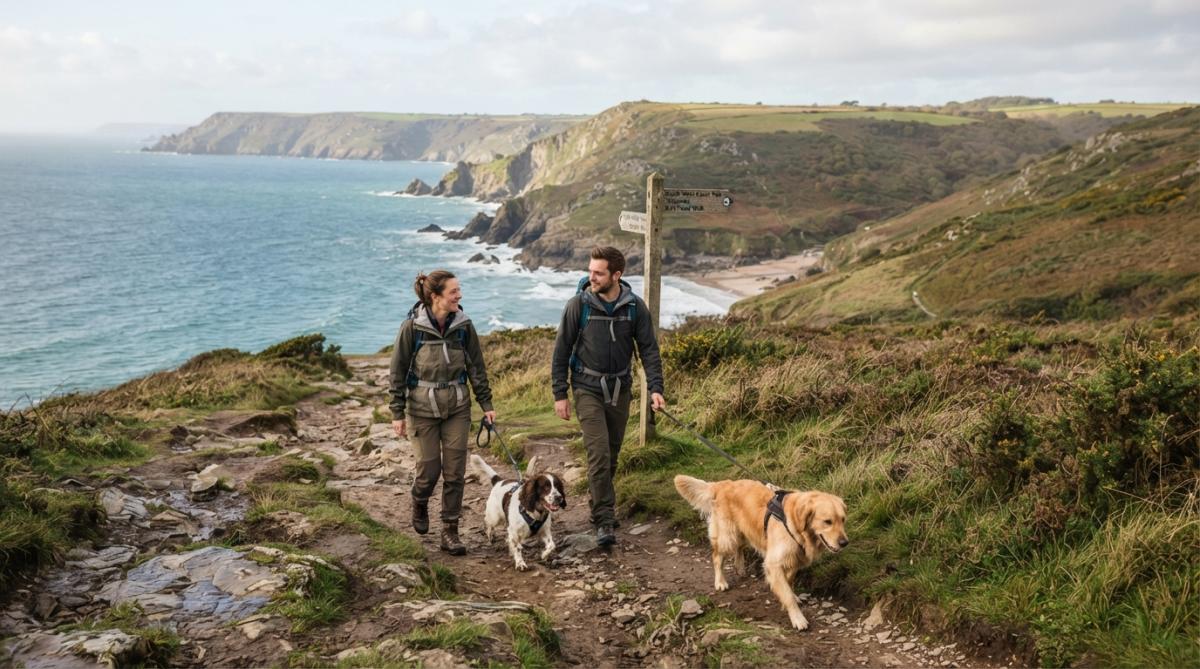
The South West Coast Path stretches 630 miles from Minehead in Somerset to Poole in Dorset. Devon's section runs for 103 miles and is genuinely spectacular. The path hugs the coastline, offering constant dramatic views, and most sections are perfectly dog-friendly.
The beauty of the South West Coast Path is its flexibility. You can walk 20 minutes or 20 miles depending on your preference. Many people walk out for an hour and return the same way, creating a manageable 2-hour round trip.
Start with the section nearest your accommodation. If you're staying near Bolberry, the nearby coastal sections offer everything from easy clifftop strolls to more challenging terrain. The path is well-marked and maintained.
A common mistake is underestimating the coastal wind and weather. Even on a sunny day, coastal cliffs are windy, and weather can change rapidly. Pack extra water for your dog; coastal paths are exposed and dehydration happens quickly. Bring a windproof jacket for yourself and consider a dog coat for smaller breeds or short-haired dogs.
Dartmoor and Exmoor National Parks
Dartmoor National Park covers 368 square miles of moorland and is genuinely dog-friendly. Most of Dartmoor is common land where dogs can roam off-lead, provided they're under control and you're aware of grazing livestock. Spring (lambing season) requires more caution, but autumn and winter offer genuine freedom.
Dartmoor's landscape is dramatic: rolling moorland, granite tors, and hidden valleys. The terrain is more rugged than coastal paths, and weather changes rapidly. Always check the forecast before heading onto the moor, and carry a map or use a GPS app. Mobile signal is patchy across Dartmoor.
Start with established car parks and marked routes. High Willhays and Yes Tor are iconic Dartmoor walks that most dogs enjoy, though they're more challenging than coastal paths. Easier options include walks around Postbridge or Grimspound.
Exmoor National Park, straddling Devon and Somerset, offers similar moorland walking with slightly gentler terrain. Both parks have streams and water sources where your dog can drink. However, be cautious about water quality; moorland water can contain parasites, so bring your own water when possible.
Woodland Trails and Off-Lead Areas
Devon's woodland trails offer shelter, interesting terrain, and usually excellent off-lead opportunities. Popular woodland walks include Wistlandpound Reservoir (near Exmoor), Parke Estate (near Bovey Tracey), and numerous smaller woodlands near Ashburton and Buckfastleigh. Most have car parks, facilities, and clear waymarking.
Woodland walking requires less planning than moorland, but bring water and check for ticks afterward. The terrain is often muddy, particularly in winter, so prepare for dirty paws.
Off-lead areas exist throughout Devon, but they're not always obvious. Most moorland and many woodland areas allow off-lead walking, but beaches have specific off-lead times and areas. Research these before you arrive, or ask your accommodation host.
Dog-Friendly Beaches in Devon: Rules, Restrictions and Best Spots
Devon's beaches are spectacular, but beach access for dogs is heavily seasonal and location-dependent. Understanding the rules before you arrive is essential.
Understanding Beach Access and Seasonal Rules
Most Devon beaches ban dogs during daylight hours (typically 10 AM to 6 PM) between May and September. This is to protect ground-nesting birds and manage summer crowds. However, dogs are permitted outside these hours and throughout the rest of the year.
In practice, this means summer beach access requires early mornings or evenings. A 7 AM beach visit in July is genuinely peaceful, you'll have the beach mostly to yourself, and your dog can swim and play freely. Evening visits work similarly.
Some beaches have year-round restrictions (Exmouth, Sidmouth, and Torquay beaches typically ban dogs entirely during summer months). Others, particularly quieter South Devon coves, have minimal restrictions. Check individual beach websites or contact the local council before visiting.
Off-lead areas exist on most beaches, but they're often in specific zones. Research these before you arrive.
Beach Safety and Wildlife Considerations
Swimming in the sea carries genuine risks for dogs. Cold water, strong currents, and sudden drop-offs can be dangerous. Never assume your dog is a strong swimmer. Start with shallow water and supervise constantly.
Rip currents exist on many Devon beaches, particularly near headlands. If your dog gets caught in a rip current, they'll panic and exhaust themselves fighting it. The correct response is to swim parallel to the shore until you escape the current, then swim back.
Salt water is safe for dogs to swim in, but they shouldn't drink it. Bring fresh water and encourage your dog to drink regularly. Rinse your dog with fresh water after swimming to remove salt, which can irritate skin.
Seaweed and debris can harbour bacteria and parasites. Avoid letting your dog eat seaweed. Discarded fishing line is a genuine hazard; it can tangle around legs or be swallowed. Check the beach for hazards before letting your dog off-lead.
Wildlife considerations matter. Nesting birds (May to July) are the reason for seasonal bans. Even outside restricted times, keep your dog away from nesting areas, which are usually marked. Seals occasionally haul out on Devon beaches; if you encounter seals, keep your dog on a lead and move away.
Car Travel Tips for Dogs: Making the Journey Comfortable and Safe
The journey to Devon is often the most stressful part of a holiday with dogs. Getting this right makes everything that follows easier.
Securing Your Dog and Planning Pit Stops
Your dog must be secured in the car. An unsecured dog is a projectile in an accident and a distraction whilst driving. Options include crates (safest but requires training), car harnesses (simpler but less secure), or travel barriers (works for some car layouts).
Crates are genuinely the safest option if your dog is crate-trained. A properly secured crate protects your dog in accidents and prevents them from distracting you whilst driving. However, crate training takes time, so don't attempt it immediately before a long journey.
Car harnesses are simpler but less protective. They allow some movement, which many dogs prefer, but they don't offer the same crash protection as a crate.
Travel barriers work for estate cars and SUVs, creating a secure area in the boot. They prevent your dog from jumping into the front seats but don't restrain them during accidents.
Whichever method you choose, acclimate your dog to it before the journey. Practice with short journeys first.
Plan pit stops every 2-3 hours. Your dog needs toilet breaks, water, and a chance to stretch. Motorway service stations increasingly have dog-friendly areas, though facilities vary. Research stops before you travel.
Never leave your dog alone in a parked car, even with windows open. Car temperatures rise dangerously quickly, even on mild days.
Public Transport with Dogs in Devon
If you're not driving, public transport with dogs is possible but requires planning. Train companies have different policies; most allow dogs on leads. Check the specific train operator's policy before booking.
Buses in Devon typically allow dogs on leads, but policies vary by operator. Local buses are more likely to allow dogs than long-distance coaches. Ask the driver before boarding.
Taxis are hit-or-miss; some drivers welcome dogs, others refuse. Pre-book a taxi that explicitly allows dogs.
Public transport with dogs is genuinely slower and more stressful than driving. For most people, driving is far simpler.
Dog-Friendly Attractions, Pubs and Dining in Devon
Beyond walking and beaches, Devon offers attractions and dining options where dogs are genuinely welcome.
Family-Friendly Days Out with Your Dog
Many National Trust properties welcome dogs on leads. Compton Castle, Cotehele, and Saltram are all dog-friendly and offer both house tours (dogs typically wait in dog-friendly areas or with one family member) and extensive grounds. The grounds are often more interesting for dogs than the houses.
Outdoor attractions are generally more dog-friendly than indoor ones. Farms and orchards that offer pick-your-own experiences typically allow dogs. Outdoor markets and car boot sales are usually dog-friendly, though you need to keep your dog close and watch for hazards.
Avoid attractions with long queues or enclosed spaces. Your dog will be uncomfortable, and other visitors will be annoyed. Focus on activities where your dog can genuinely participate: walks, outdoor markets, and grounds of stately homes.
Some attractions charge for dogs (typically £2-5), though many don't. Ask before paying entry fees.
Dog-Friendly Pubs, Cafes and Restaurants
Many Devon pubs welcome dogs, particularly in rural areas. The best approach is to ask before entering. Pubs with outdoor seating are most dog-friendly; your dog can sit with you whilst you enjoy a meal or drink. Some cafes provide water bowls without asking.
Cafes with outdoor seating are excellent for dogs. Your dog can sit beside you whilst you have coffee or a light meal.
Restaurants rarely allow dogs inside, but outdoor seating is increasingly common. Many restaurants now have garden areas or pavement seating where dogs are welcome.
The best approach is to research specific establishments before visiting, or ask locals for recommendations.
Common Mistakes When Travelling with Dogs in Devon
Understanding what goes wrong helps you avoid it. The most common mistakes are preventable with proper planning.
Underestimating tick risk is widespread. Check your dog daily, use proper tick prevention, and monitor for symptoms of Lyme disease.
Overestimating your dog's fitness is another common error. Dogs are enthusiastic and will happily walk until they collapse. Just because your dog wants to keep going doesn't mean they should. Older dogs, puppies, and breeds with short legs tire far faster than owners expect. Carry water, take regular breaks, and be willing to cut walks short.
Arriving without understanding local restrictions causes frustration. Research before you arrive.
Packing excessive toys and insufficient practical items is surprisingly common. Your dog doesn't need new toys; they need comfort items from home, practical supplies, and proper gear.
Assuming all dog-friendly accommodation is equally dog-friendly leads to disappointment. Ask specific questions before booking.
Not bringing enough poo bags is genuinely common. You'll use far more than you expect. Buy bags before you arrive and carry them in every pocket.
Travelling with dogs in Devon is genuinely rewarding when you plan properly. The combination of spectacular scenery, genuine dog-friendly infrastructure, and a culture that welcomes canine companions makes Devon one of the UK's best destinations for dog owners. Spring Barn at Bolberry Court provides the ideal base for exploring this landscape, with its location near the South West Coast Path, fully enclosed garden, and genuine understanding of what dog owners need. Whether you're planning coastal walks, moorland adventures, or simply a peaceful retreat with your dogs, Devon delivers. contact page to discuss your requirements, or booking page to check availability for your preferred dates.
Frequently Asked Questions
What should I pack when bringing a dog to Devon?
Essential items include vaccinations records, microchip documentation, a collar and lead, poo bags, food and treats, water bowl, bed or crate, first aid kit, and any medications. Pack weather-appropriate clothing, Devon's climate varies seasonally. Consider a dog wash station access or towels for post-beach visits. Keep your vet's contact details and research local emergency vets before arrival. A bringing a dog to devon checklist helps ensure nothing is forgotten.
Are dogs allowed on beaches in Devon?
Many dog-friendly beaches in Devon permit dogs year-round or during specific seasons. Most beaches restrict dogs from Easter to September, with off-lead access typically allowed outside these months. Always check individual beach regulations before visiting, as rules vary by location. Wildlife and livestock protection often determines seasonal restrictions. Leashes are mandatory during restricted periods, and owners must clean up after their pets.
What are the best dog-friendly accommodation options in Devon?
Look for properties with fully enclosed gardens, spacious layouts, and dog-specific amenities. Spring Barn at Bolberry Court offers luxury self-catering accommodation with a secure enclosed garden, perfect for dogs and families. The property sleeps up to 10 people and features modern comforts including underfloor heating and a log burner. Its proximity to South West Coast Path and local beaches makes it ideal for dog owners seeking both comfort and outdoor adventure.
How do I manage my dog's anxiety during travel and in new environments?
Gradual desensitisation before the trip helps, practise car journeys and introduce your dog to new spaces slowly. Bring familiar items like their bed or toys to reduce stress. Maintain routine feeding and exercise schedules. Consider calming products or consult your vet about anxiety management options. Allow settling-in time at your accommodation before exploring. Properties with enclosed gardens, like Spring Barn, provide safe spaces for anxious dogs to adjust before venturing out.