
How to Find Hidden Gems in South Devon
20 September 2026
Table of Contents
- Understanding What Makes a Hidden Gem Worth Finding
- Best Quiet Beaches in South Devon
- Walking the South West Coast Path: Beyond the Obvious Routes
- Things to Do in Salcombe Beyond the High Street
- Local Knowledge: How to Spot Hidden Gems Like a Local
- Planning Your Hidden Gem Adventure from a Coastal Base
- Conclusion
- Frequently Asked Questions
Last Updated: September 19, 2026
Understanding What Makes a Hidden Gem Worth Finding
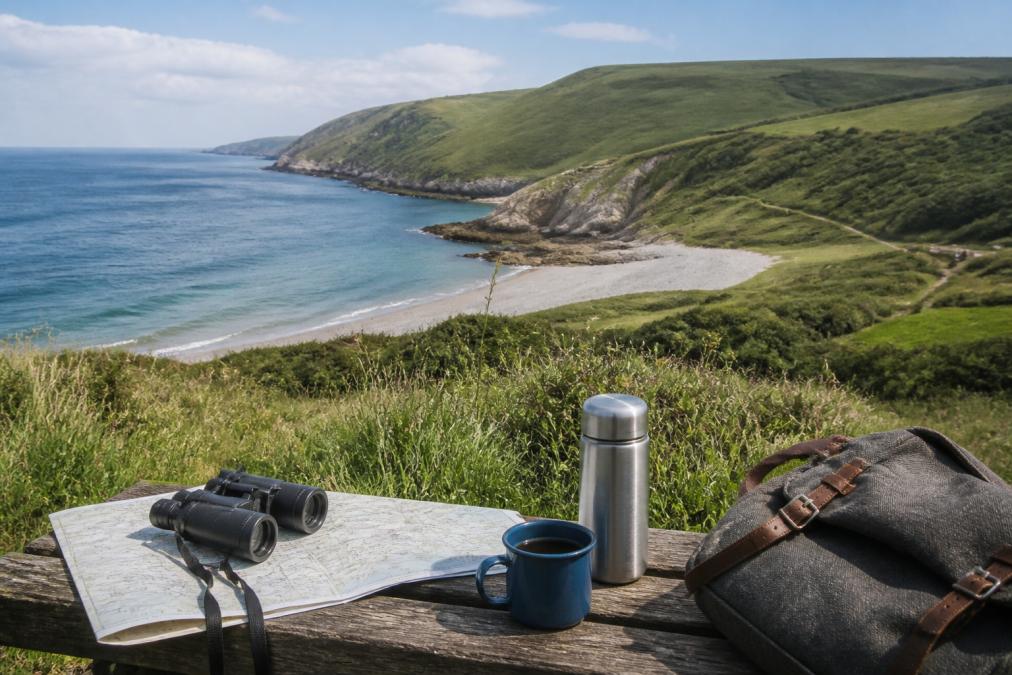
Learning how to find hidden gems in South Devon means discovering places that deliver genuine beauty, character, or experience without the crowds that flock to famous landmarks. These spots reward curiosity. They offer locals' perspectives and authentic coastal living that most visitors miss entirely.
The difference between a well-known beach and a hidden gem comes down to intention. Tourist hotspots are easy to find. They're packed, expensive, and designed for volume. Hidden gems require effort. You need to know where to look, when to visit, and sometimes how to access them. But the payoff is worth it: quieter beaches, unexpected views, and the feeling of discovering something real.
At Spring Barn at Bolberry Court, we've watched families and groups return year after year specifically to explore these lesser-known corners of South Devon. The location near Bolberry gives you proximity to some of the best-kept secrets along the coast, without the tourist infrastructure that can spoil a visit. The difference between a rushed holiday and a memorable one often comes down to where you choose to stay and what you choose to explore.
Understanding how to find hidden gems in South Devon isn't about luck. It's about knowing what signals to look for: footfall patterns, seasonal timing, local recommendations, and geography. This guide covers the practical strategies that work.
Best Quiet Beaches in South Devon
Quiet beaches exist in South Devon, but you need to know which ones and when to visit them. The most peaceful spots share common traits: difficult access, smaller car parks, or locations just beyond the main tourist corridor.
Hallsands Beach sits between Beesands and Start Point. It's a pebble beach with dramatic cliffs. The access is steep and there's limited parking, which naturally keeps crowds manageable. Conditions can be rough here, so check tide times before visiting. The beach is best explored in shoulder seasons (April-May or September-October) when weather is milder but visitor numbers are lower.
Blackpool Sands lies near Dartmouth, surrounded by pine trees and backed by steep cliffs. Despite its name, it's a shingle beach with clear water. The car park fills quickly on summer weekends, but arriving early (before 10am) or visiting on weekdays gives you space to move. The sheltered bay makes it safer for children than more exposed beaches.
Slapton Sands stretches for miles along a shingle bank. Most visitors cluster at the main car park and café area. Walk south along the beach for 15-20 minutes and you'll find stretches with few people. The freshwater lagoon behind the beach attracts birdwatchers. Visit in winter or early spring for solitude.
Soar Mill Cove is small, sandy, and tucked into a rocky inlet near Salcombe. The walk down is steep (about 10 minutes), which deters casual visitors. At high tide, the beach shrinks considerably, so time your visit for low to mid-tide. The cove is exposed to swell from the south, so conditions vary. It's best in calm weather.
| Beach | Access Difficulty | Best Season | Ideal For |
|---|---|---|---|
| Hallsands | Steep path | April-May, Sept-Oct | Dramatic scenery, quietness |
| Blackpool Sands | Moderate | Weekdays, early morning | Families, sheltered swimming |
| Slapton Sands | Easy | Winter, early spring | Long walks, birdwatching |
| Soar Mill Cove | Steep | Calm weather days | Small groups, solitude |
Walking the South West Coast Path: Beyond the Obvious Routes
The South West Coast Path stretches along the Devon coastline. Most walkers stick to famous sections near Dartmouth or Salcombe. The hidden gem sections offer equal beauty with far fewer people.
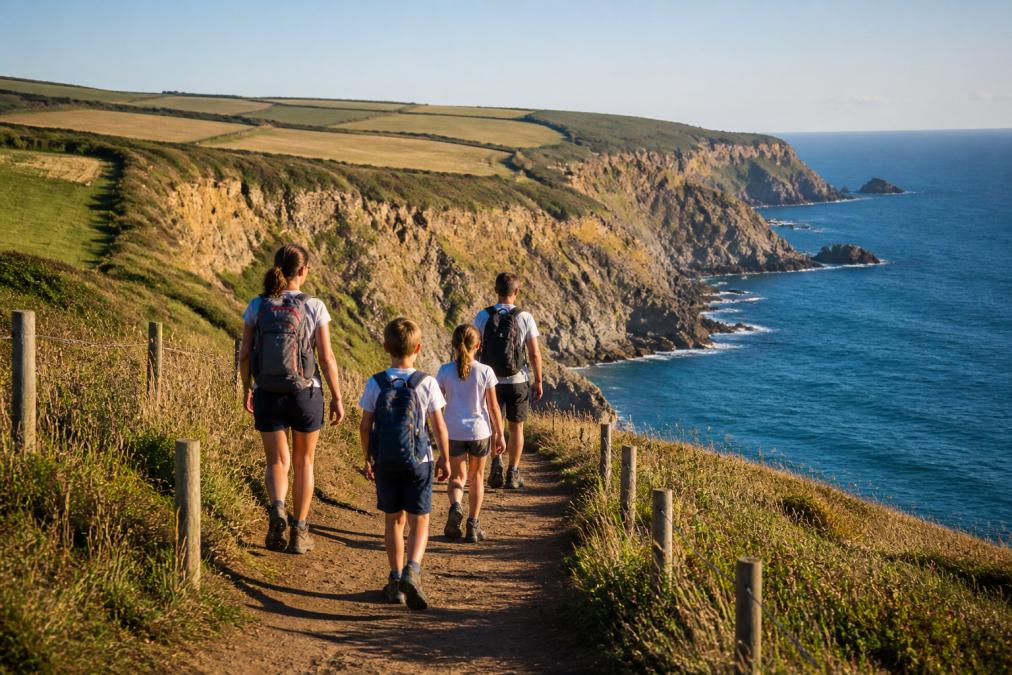
The section between Beesands and Start Point covers roughly 8 miles. It's less publicised than nearby routes but offers stunning cliff views and rare solitude. The terrain is moderately challenging with several steep climbs. Allow 4-5 hours for a full walk, or break it into shorter segments. Parking at Beesands is limited, so arrive early or use the smaller car park at Hallsands instead.
From Start Point eastward toward Torcross, the path becomes quieter still. This 6-mile stretch passes through less developed coastline. You'll see fewer waymark signs here, so bring a detailed map or use offline navigation. The reward is uninterrupted views and the genuine sense of wilderness that popular sections lack.
Walking the South West Coast Path in winter months (November-February) transforms the experience entirely. Weather is unpredictable, but crowds vanish. Paths are muddy and potentially slippery. Daylight hours are short. These conditions suit experienced walkers who want solitude and are prepared for changeable conditions.
Starting walks early in the morning gives you several advantages. You'll have better light for photography. You'll avoid the midday heat. You'll finish before afternoon crowds arrive. Most importantly, you'll have the path largely to yourself.
Things to Do in Salcombe Beyond the High Street
Salcombe's town centre is busy and commercialised. The real character of the town emerges once you venture away from the main shopping area and waterfront promenade.
Fort Charles, overlooking the harbour entrance, sits on a headland with 360-degree views. The fort itself is small and rarely crowded. The walk up takes 10 minutes from the town centre. The views across the estuary and toward Start Point are exceptional. Visit at sunset for golden light across the water.
Overbeck's Museum and Garden sits on a hillside south of Salcombe town centre. The house is a Victorian villa with quirky collections and an eccentric history. The gardens offer views across Salcombe estuary. Admission is required, but visitor numbers stay low compared to other attractions. The tea room serves light refreshments. Allow 2-3 hours to explore properly.
Sharpton Wild Flower Meadow, managed by local conservation groups, blooms in late spring and early summer. The meadow is free to access and rarely crowded. Wildflower identification guides are sometimes available at the entrance. Visit in June for peak flowering.
Salcombe Estuary walks offer water-level perspectives that most visitors miss. Walk along the eastern bank from town toward East Portlemouth. The path is flat and takes roughly 1.5 hours for a full circuit. You'll see sailing boats, wading birds, and the working fishing heritage of the estuary. Bring binoculars for birdwatching.
The Salcombe Lifeboat Station is open to visitors during certain hours. The crew often shares stories about rescues and maritime history. It's a genuine working station, not a museum, so opening times vary. Ring ahead to check availability.
Local Knowledge: How to Spot Hidden Gems Like a Local
Locals navigate South Devon differently from tourists. They know seasonal patterns, access points, and which spots are genuinely worth the effort versus those that are just obscure.
Ask questions at village shops and pubs. Staff in small shops near Bolberry, Salcombe, and surrounding villages have lived locally for years. They know which beaches are safe, which walks are passable after recent weather, and which spots are worth your time. A casual conversation often yields better recommendations than guidebooks.
Look for places with limited parking or difficult access. These are natural filters that reduce crowds.
Planning Your Hidden Gem Adventure from a Coastal Base
Finding hidden gems requires more planning than following standard tourist routes. A strategic base makes the difference between a rushed holiday and one where you actually discover things.
Conclusion
Finding hidden gems in South Devon comes down to effort, timing, and knowing what to look for. Quiet beaches exist, but you need to arrive early, know tide times, and sometimes walk further than casual visitors. The South West Coast Path offers countless sections with few crowds if you venture beyond the famous routes. Salcombe and surrounding villages reward exploration beyond the main shopping areas.
Frequently Asked Questions
What are the best quiet beaches in South Devon to avoid crowds?
The quietest beaches are those accessed by footpaths rather than car parks. Beaches near Bolberry, including Soar Mill Cove and Hallsands, attract fewer visitors than main resort beaches. Visit during shoulder seasons (April-May or September-October) or weekday mornings for the most peaceful experience. Many hidden gems require a short walk from the nearest car park, which naturally deters casual visitors.
How do I find lesser-known walking routes on the South West Coast Path?
Study Ordnance Survey maps to identify sections between popular destinations, these stretches see far fewer walkers. Ask locals at village shops or pubs about their favourite routes. The South West Coast Path National Trail covers many miles, but most visitors stick to famous segments. Exploring connections to inland villages or lesser-known headlands reveals quieter alternatives with equally stunning views.
What hidden gems should I prioritise when visiting Salcombe?
Beyond the bustling harbour, explore Sharpitor Point for panoramic views, the National Trust's Overbeck's Museum and gardens for history and horticulture, and nearby Snout Point for rock pools and marine life. The estuary's quieter creeks offer peaceful rowing or kayaking. Local pubs inland from the seafront provide authentic village atmosphere without tourist crowds.
Where should I stay to access hidden gems easily without daily commuting?
Spring Barn at Bolberry Court places you within walking distance of the South West Coast Path and near several hidden beaches and villages. As a luxury self-catering base for up to 10 people, it offers the flexibility to explore at your own pace and return to comfortable, fully equipped accommodation. The enclosed garden and modern amenities make it ideal for families discovering the region together.
Ready to explore South Devon's quieter side? Contact Spring Barn at Bolberry Court to arrange your coastal base. The property sleeps up to 10 guests, features underfloor heating and a log burner for year-round comfort, and sits within walking distance of the South West Coast Path and local beaches. Plan your hidden gem adventure today.